
Ethanol Production Plants
Ethanol plants generate high-volume emissions that require specialized control systems to meet today’s environmental standards. Carbon dioxide removal, particulate control and high-temperature exhaust management each present various engineering challenges during production.
MACH Engineering has decades of experience designing pollution control systems for ethanol production plants across North and South America. Our engineers create high-performance solutions for the high-volume CO2 emissions and particulate loads typical of most ethanol facilities.
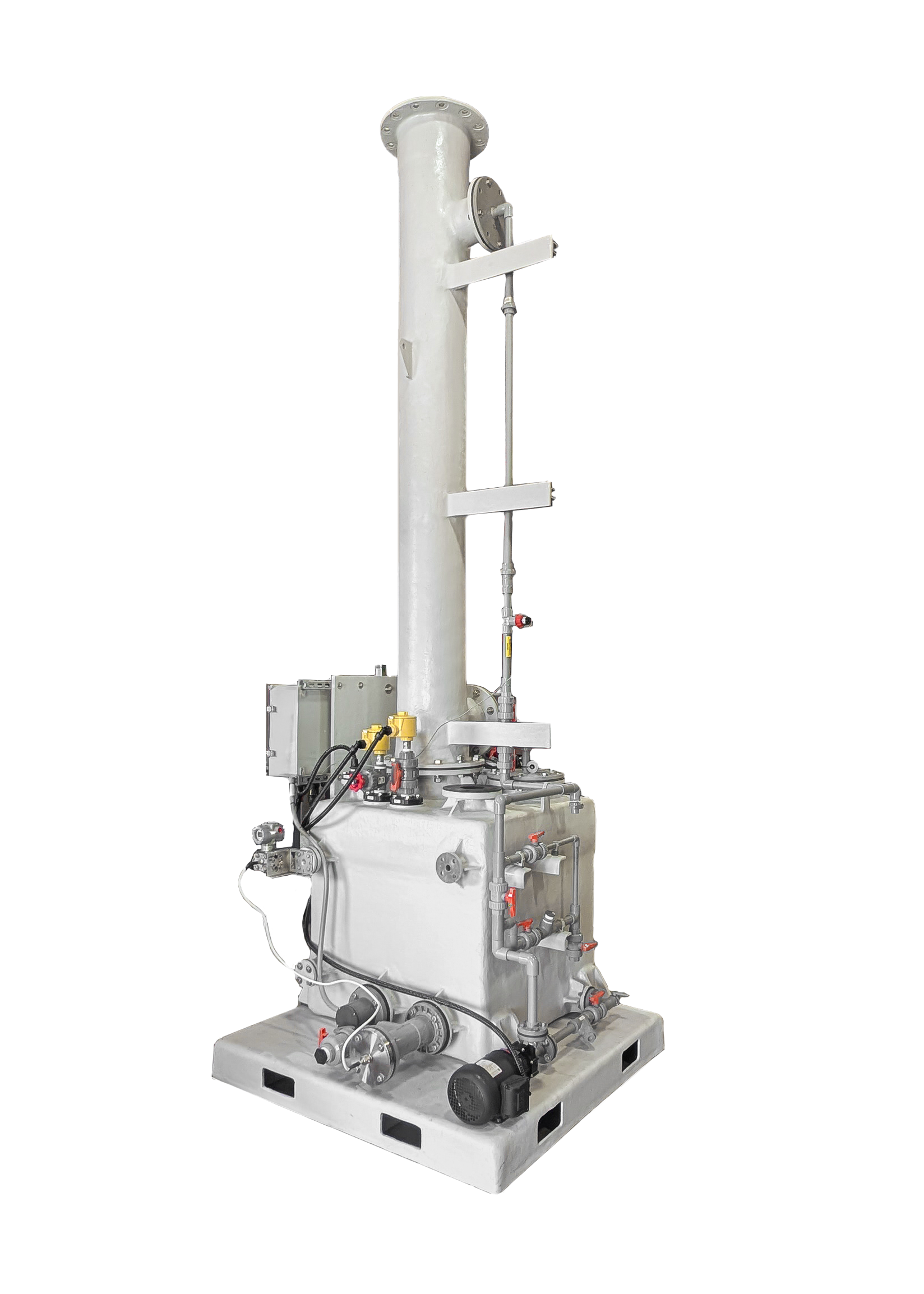
Tailored Solutions for Ethanol Production Plant Pollution
Ethanol plants generate significant carbon dioxide emissions during fermentation, making CO2 removal one of the industry’s most critical pollution control needs. MACH Engineering offers various solutions specifically designed to address these challenges, including:
- Chemical scrubbers: Our chemical scrubber systems remove carbon dioxide and other gaseous contaminants from exhaust streams. These innovative systems utilize packed towers to maximize gas-liquid contact, enabling efficient CO2 absorption through chemical reaction with the scrubbing solution.
- Corrugated structured packing: When high efficiency and low pressure drop are priorities, our corrugated structured packing delivers superior mass transfer performance. The structured design creates uniform flow distribution and increased surface area for enhanced absorption rates.
- Tri-Packs®: Tri-Packs offer excellent performance in scrubber applications where chemical resistance and energy efficiency are high priorities. These plastic random tower packings provide higher mass transfer rates than traditional packing.
- Tower internals: Proper liquid distribution and mist elimination are essential for scrubber performance. MACH supplies mesh mist eliminators and chevron mist eliminators, depending on the specific operating conditions. Mesh eliminators are well-suited for standard applications, while chevron eliminators are designed to handle higher gas velocities and liquid loading rates.
Why Trust MACH Engineering for CO2 Pollution Control and Other Industry Solutions?
At MACH Engineering, our reputation is built on delivering practical solutions backed by superior technical expertise. Our engineers provide hands-on experience and use process simulation software to deliver highly effective designs for each project. We comply with industry standards such as those set by the FDA, and we provide solutions that help you meet EPA regulations as well as local and state guidelines.
We serve customers of all sizes with systems that handle nearly any ethanol production capacity. We’re committed to high-quality across each project phase, from process simulation and equipment design to fabrication oversight and installation supervision.
Our goal is simple — to deliver pollution control systems that meet your facility’s requirements while ensuring high customer satisfaction.
Contact MACH Engineering Today
If your ethanol facility needs reliable pollution control systems, MACH Engineering can help. Our engineers will work with your team to develop solutions that address your emission control challenges. Contact us today to request a quote or discuss your upcoming project.
Frequently Asked Questions About Ethanol Production Pollution Control
Browse answers to common questions we receive about wet scrubbers and other solutions for ethanol production.
How Do Your Solutions Support Sustainability and Renewable Fuel Compliance Goals?
By controlling CO2 emissions and other pollutants at the source, our systems help ethanol plants meet regulatory requirements and local emission standards.
What Types of Pollutants Do Your Systems Target in Ethanol Production?
Our systems primarily target carbon dioxide emissions from fermentation, as well as particulate matter and other gaseous contaminants in exhaust streams.
How Do Your Systems Handle Particulate Matter Commonly Produced in Ethanol Production?
Wet scrubbers capture particulate matter through liquid contact, while tower internals help prevent captured particulates from reaching downstream equipment.
What's the Typical Service Life of Your Equipment?
Service life varies based on the equipment type, operating conditions and maintenance practices.
Do You Help Ethanol Plants Qualify for Incentives or Environmental Funding?
We provide detailed performance specifications and documentation that support grant applications and financing requests for environmental compliance projects.