
Structured packing is an arranged tower-packing material designed to create controlled gas-liquid contact with high surface area and relatively low resistance to flow. It is commonly used in distillation, absorption, stripping, and other mass-transfer applications where efficiency and pressure drop matter. Material, geometry, surface area, liquid distribution, capacity, fouling risk, and tower internals all influence which structured packing is appropriate.
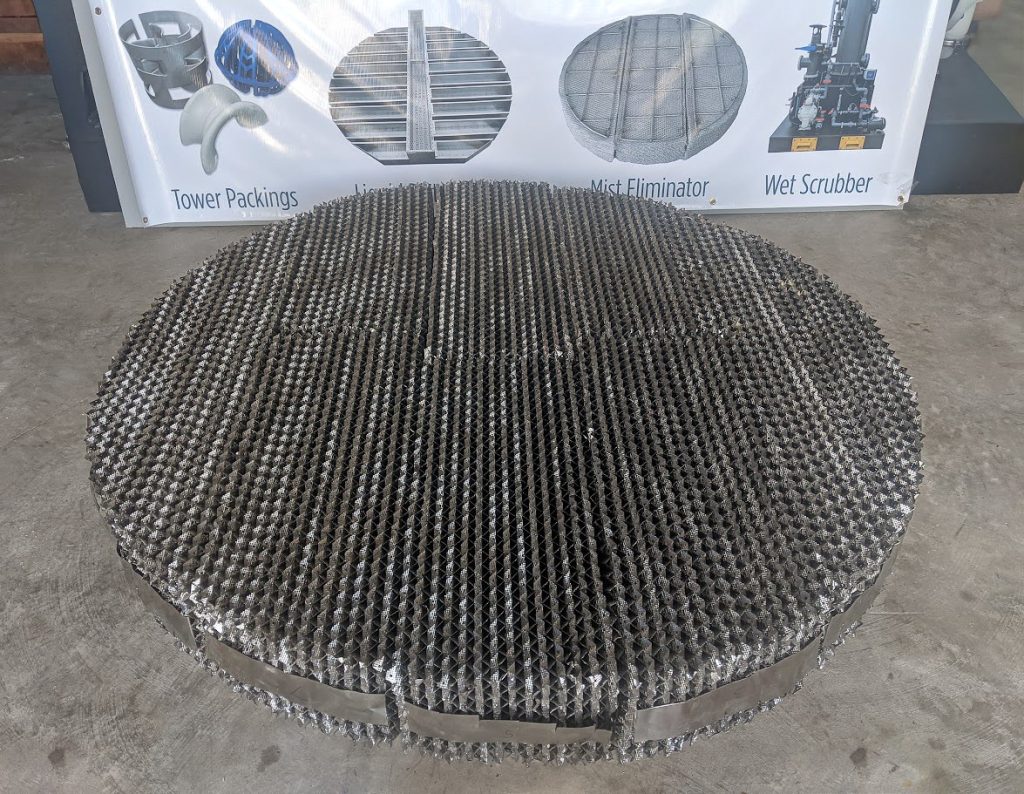
Structured packing is used in packed columns to improve contact between gas and liquid phases while maintaining an organized flow path. Unlike random packing, which is loaded as individual pieces, structured packing is installed in arranged sections with repeatable geometry. This controlled structure can provide high mass-transfer efficiency with relatively low pressure drop.
MACH Engineering supplies and designs structured tower packing for industrial mass-transfer applications. The right selection depends on the process, available tower diameter and height, liquid and vapor rates, pressure, temperature, materials, and required separation or absorption performance.
How Structured Packing Works
Structured packing uses corrugated sheets, wire mesh, plastic grids, ceramic forms, or other arranged geometries to create a large wetted surface area. Liquid spreads across the packing while gas or vapor moves through open channels. The organized passages promote contact between phases without creating the same resistance that a more restrictive internal could produce.
Good liquid distribution is essential. Even high-performance packing can underperform if liquid enters the bed unevenly, bypasses sections, or moves toward the column wall. That is why packing selection and tower internals should be evaluated as one system.
Common Types of Structured Packing
Corrugated metal designs are widely used in separation and absorption service. MACH Engineering offers corrugated structured packing in configurations that can be selected for different capacity and pressure-drop requirements.

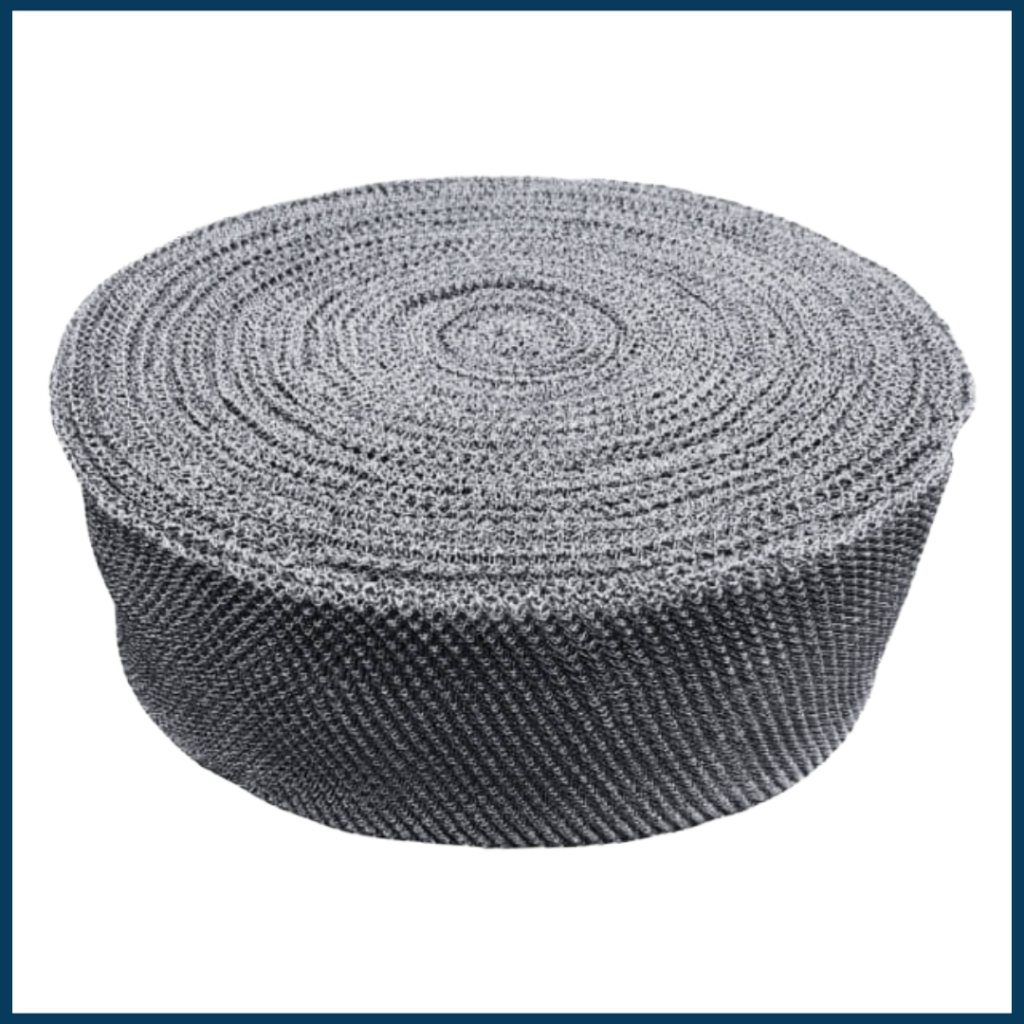
For demanding separations and low-pressure-drop applications, knitted wire structured packing provides a high surface-area-to-volume ratio and thin liquid films that support efficient mass transfer.
Where corrosion resistance, low weight, or material compatibility is important, plastic structured packing can be manufactured from materials such as polypropylene or PVC, depending on the process requirements.

Structured Packing vs. Random Packing
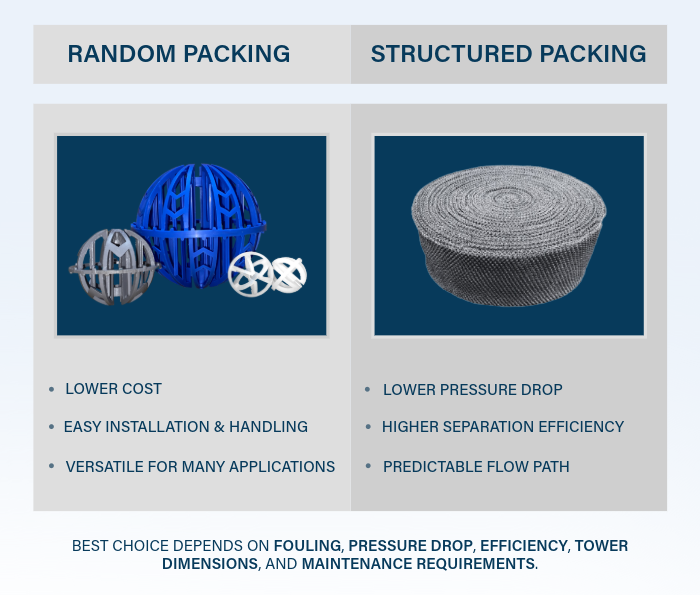
Random packing is often economical, easy to handle, and suitable for a broad range of services. Structured packing is more deliberately arranged and is often chosen when low pressure drop, high separation efficiency, limited tower height, or predictable flow paths are priorities.
Neither option is universally better. A high-fouling service may favor a more open packing configuration, while a vacuum or difficult separation may benefit from structured packing. Cost, installation, maintenance access, turndown, corrosion resistance, and existing tower dimensions should all be considered.
Key Factors When Selecting Structured Packing
Important design inputs include vapor and liquid flow rates, system pressure, allowable pressure drop, surface tension, density, viscosity, temperature, desired mass-transfer performance, fouling tendency, corrosiveness, and available bed height. The packing material must also be compatible with the process fluid and cleaning method.
The rest of the column matters too. Proper tower internals support the packing and distribute or redistribute liquid so the full bed can participate in mass transfer. Poor distribution can reduce performance even when the packing itself is correctly selected.
Installation details also matter. Structured packing sections must fit the column correctly, remain supported, and align with distributors and redistributors. Careful installation helps preserve the intended flow paths and reduces the risk of bypassing or uneven wetting.
Where Structured Packing Is Used
Common applications include distillation, gas absorption, stripping, chemical processing, pharmaceutical and food processing, vacuum service, and other operations where gas-liquid contact drives separation or treatment. Different packing types are chosen according to the chemistry and hydraulic demands of each application.
MACH Engineering brings more than 25 years of mass-transfer industry experience to packing selection and tower design. We can help evaluate structured packing, internals, hydraulic limits, and process requirements for a new system or retrofit. Request a quote to discuss the operating conditions and performance goals for your tower.

FAQs
What is structured packing used for?
Structured packing is used to improve gas-liquid contact in operations such as distillation, absorption, and stripping. Its organized geometry provides high surface area while controlling flow resistance. This design can support efficient mass transfer while helping limit pressure drop and maintain consistent fluid distribution through the column.
Is structured packing better than random packing?
It depends on the application. Structured packing is often preferred for low pressure drop or high separation efficiency, while random packing can be cost-effective and practical for many general mass-transfer services.
Why is liquid distribution important with structured packing?
Structured packing performs best when liquid is spread evenly across the bed. Maldistribution can leave portions of the packing underused and reduce overall mass-transfer efficiency.
